
Cart is empty
 Popular Brands
 All Brands
 Clean
Clean Cook
Cook Cool
Cool Small Appliances
 Prior to Installation
Warm gasket to make more pliable during installation. Use warm water or a hair dryer to warm gasket.
Early Models Fitting Easy
The seals push in to a recess in the back of the door. If the seal is fitted to the appliance and is pressed into a recess in the back of the door then installation requires little work other than removing the old and pressing the new one into the recess.
Intermediate Models Fitting Moderate
The seals are trapped between the inner and outer door skins with securing screws under the seal edge. Installation will require the careful of the screws under the perimeter of the seal. This will release the inner door and old seal. The seal is exchanged and then the inner door skin refitted along with the securing screws.
Later and more recent Models Fitting Awkward (but can certainly be achieved!)
If your sealing gasket is fitted in this manner then there is a certain amount of ability required to replace it.
PLEASE CHECK THE INSTRUCTIONS BELOW BEFORE COMMENCING AND DECIDE IF YOU HAVE THE ABILITY OR NEED TO EMPLOY AN ENGINEER TO INSTALL THE PART FOR YOU. WE CANNOT ACCEPT ANY RESPONSIBILITY FOR ANY DAMAGE CAUSED TO THE DOOR OR APPLIANCE.
The seals are fitted as the intermediate ones were however the inner skin is glued on over it. The seal will require removal (by tearing it away at an angle) and the new one refitting with the lip of the seal being tucking methodically under the inner door skin edge. This can be helped by the use of a strong flat blunt edge such as a scraper.
Note once the old sealing gasket has begun to be removed it cannot be ideally refitted so the repair will need to be completed.
Removing Gasket
1 Remove door from unit and remove handle if necessary and lay door flat on a protective mat.
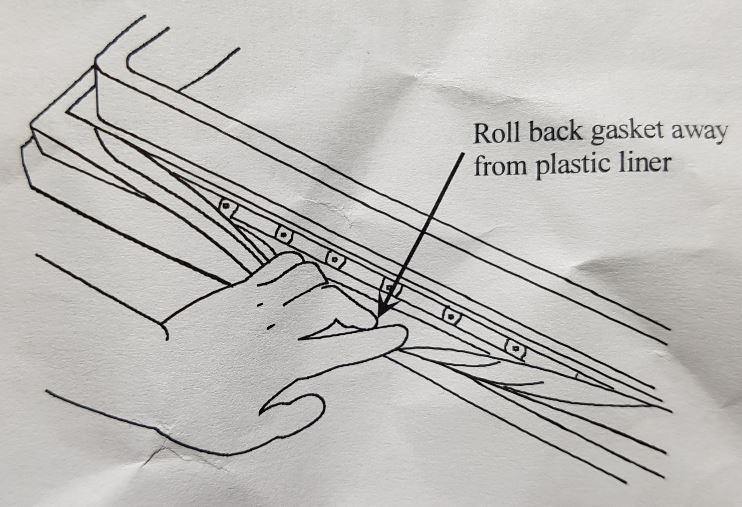
2 Start in middle of long side of door and roll back the edge of gasket. Use some side cutters to cut the gasket.
3 Pull gasket out from under door liner and cut remaining portion of the gasket.
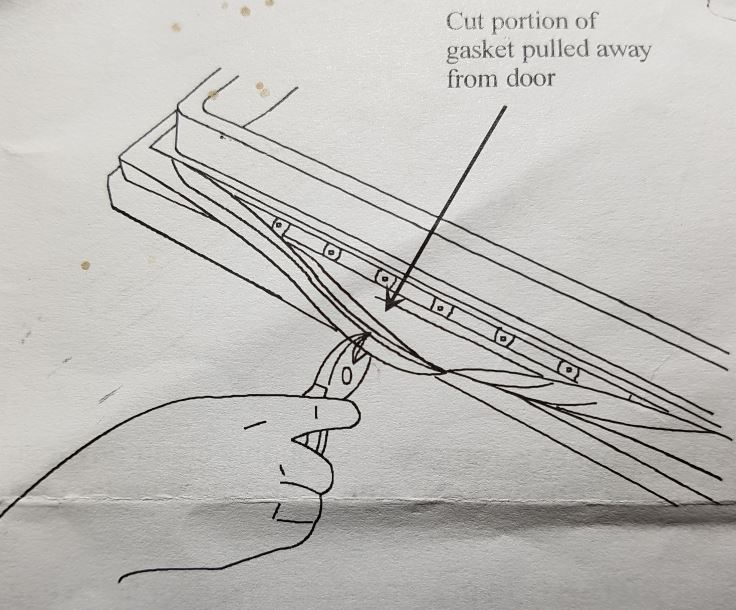
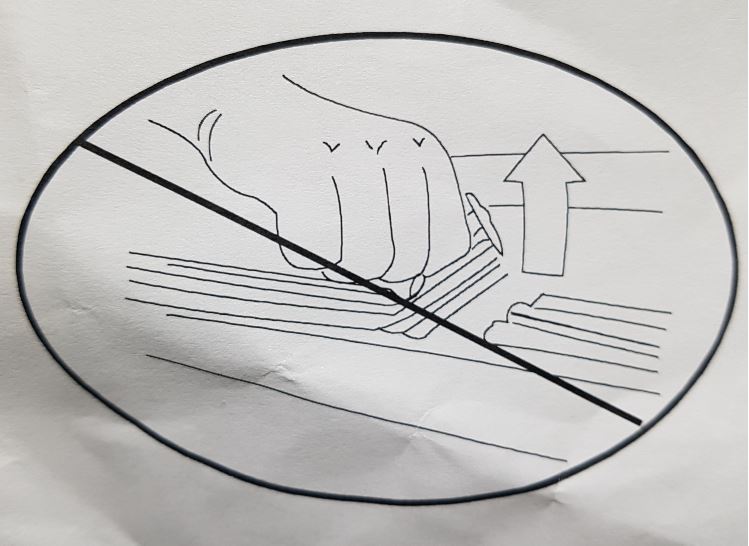
Do not pull up on the gasket or door liner, pulling up on gasket will pull the door liner away from from the door body. Be sure entire gasket is removed from under door liner.
4 Remove gasket by pulling down and away from the door.
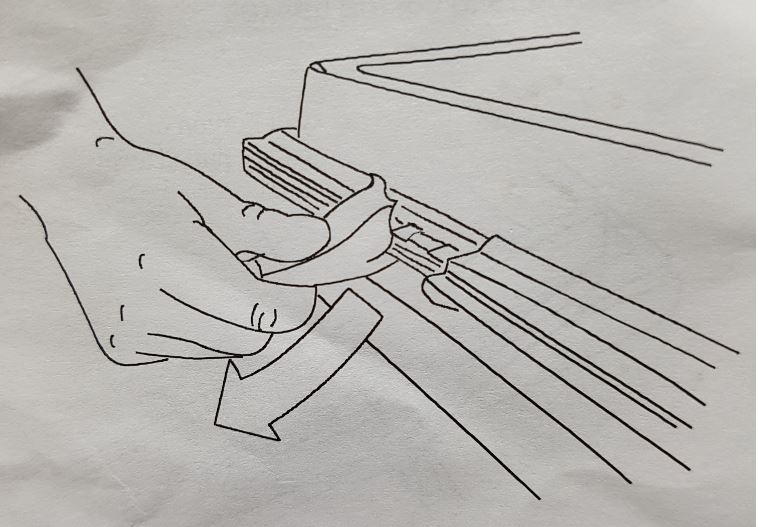
5 When gasket is removed thoroughly clean any foam debris or torn gasket material remaining underneath lip of door liner.
IMPORTANT: To prevent scratching door finish or damaging door use a putty knife with blade covered in masking tape. Front 1/4 of putty knife blade should be left uncovered.
Clean insulation from under door liner 12mm back from edge so replacement gasket lip can be easily slid into place during re-assembly. So not lift on lip of door liner more than necessary to clean debris. Lip of door liner secures gasket in place.
Installing Replacement Gasket
1.Start replacement gasket at each corner and work across the width of the door. Lower lip section of gasket slides under the door liner.
2 Be sure the lower lip section of the gasket is fully inserted home under the edge of the door liner and looks nice and straight when rolling back top edge of gasket. If portions of gasket are hard to get under door liner edge, use a small edge roller or blunt flat object to push the gasket into place.
Because corners of door liner are tipped downward, it may be necessary to carefully lift liner at corners to position gasket under corner of liner. When all in place carefully press down on face of gasket adjusting any areas to align seal nice and square.
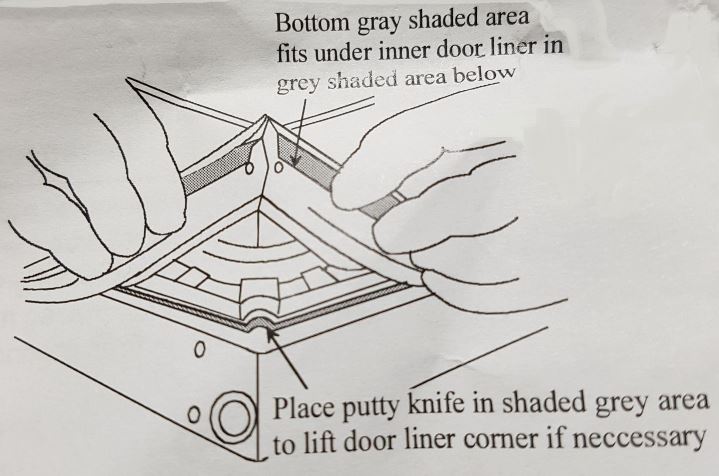
3 After installing gasket, rehang door. Apply petroleum jelly to hinge side of gasket to ensure gasket remains pliable and slips in to place without dragging on cabinet.
IMPORTANT: Gaskets efficiency will perform much better when temperature adjusts to that of the surface of the fridge freezer.
Keep gasket and cabinet flange clean and provide periodic lubrication to maximize gasket life.


